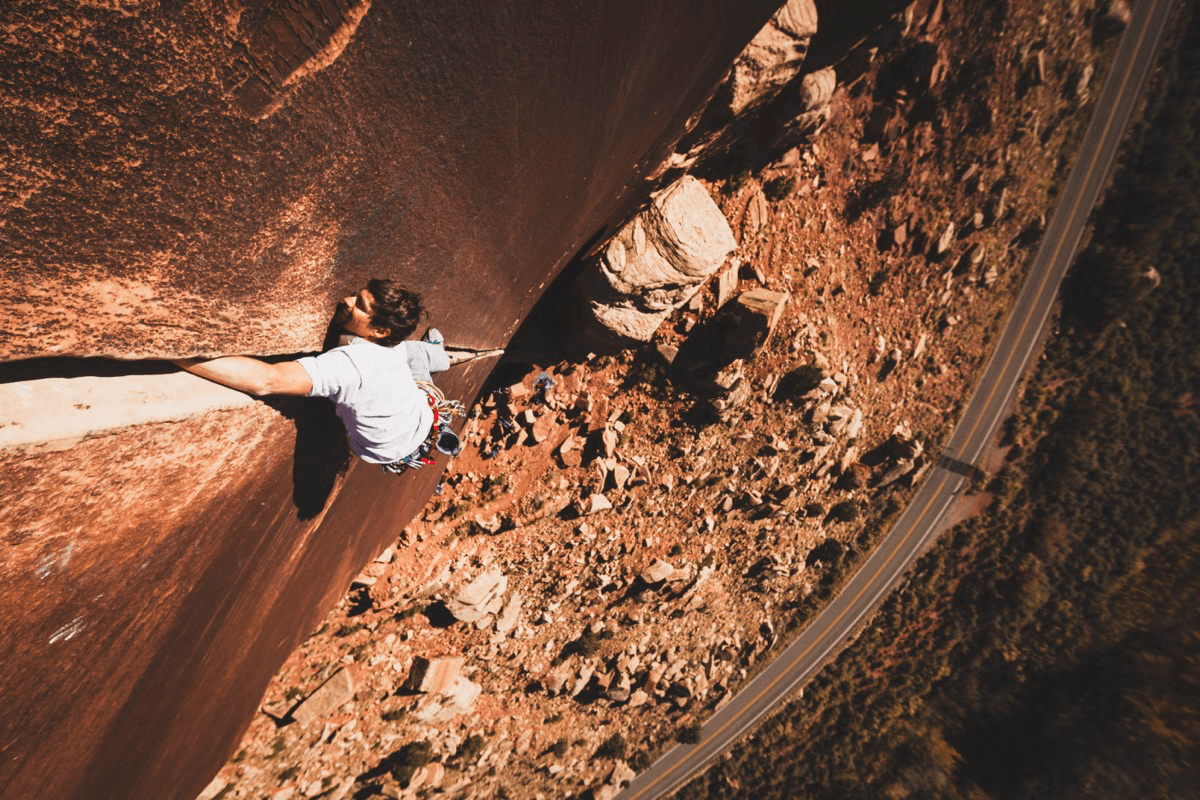
Utah has world-class rock.
This is how you climb it.
Most Utah climbing guides are either vague trip reports or paywalled topos. This one tells you the grade, the approach, the rack, the nearest hospital, and where to eat after.
Build Your Trip
How long do you have? Where do you want to go?

Indian Creek Half-Day Intro to Desert Crack
Moab
1 route · Intermediate — 5.10d trad

American Fork Canyon Full Sport Day
American Fork
1 route · Advanced — 5.12a sport

Moab Desert Weekend — Castleton Tower and Indian Creek
Moab
2 routes · Advanced — 5.9 multi-pitch, 5.10d crack

Wasatch Granite Weekend — Little Cottonwood and American Fork
Salt Lake City
2 routes · Advanced — 5.8 multi-pitch and 5.12a sport
Top-Rated Routes
The three highest-rated climbs in Utah, by climbers who have done them.
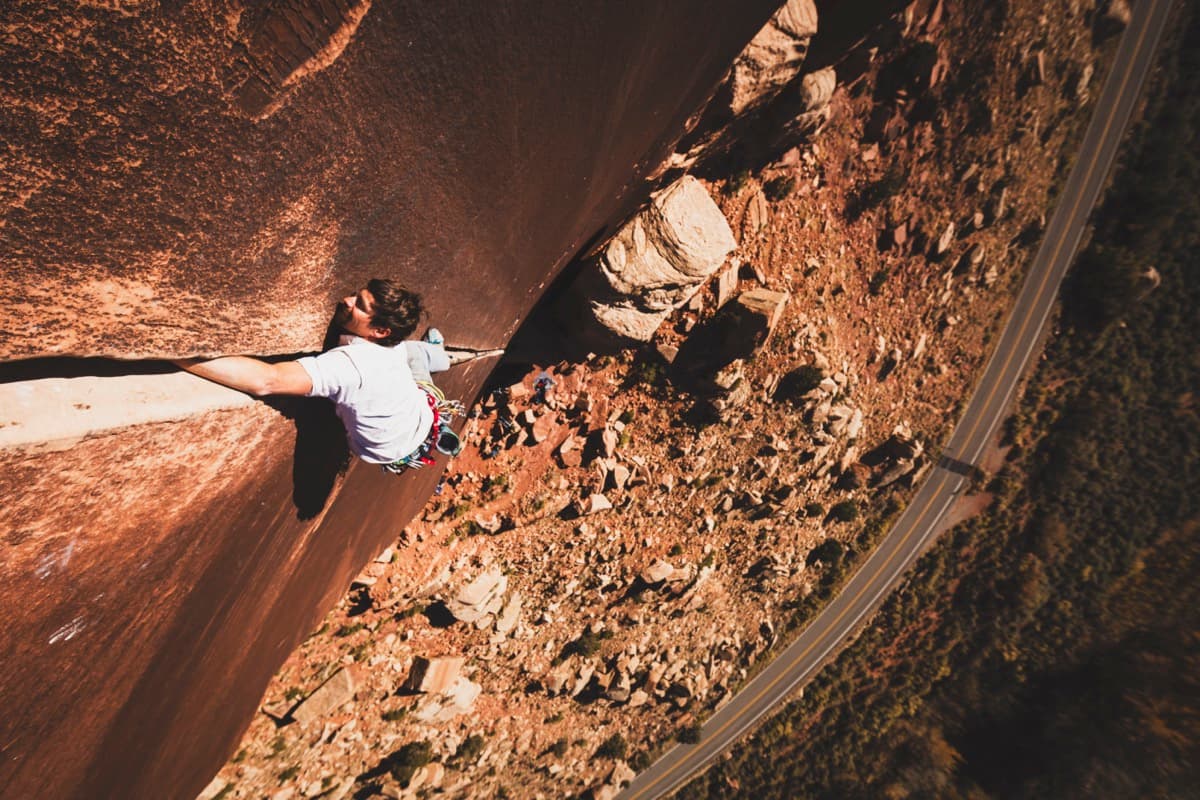
Indian Creek — Supercrack of the Desert
★★★★★Supercrack of the Desert is the most famous single-pitch trad route in America — a perfect 30-meter hand crack splitting…
Zion — Moonlight Buttress
★★★★★Moonlight Buttress is the most coveted big-wall free climb in Zion National Park — 9 pitches rising 610 meters on an imp…
American Fork Canyon — Battle of the Bulge
★★★★★Battle of the Bulge is the benchmark route of American Fork Canyon — the limestone sport climbing destination that Utah …
Why this guide
There is no shortage of vague climbing blog posts about Utah. This is something different.
Exact Grades
Both Yosemite Decimal System and French grades on every route, not vague difficulty ratings. Know exactly what you are getting into before the approach.
Nearest Hospital
Every route includes the hospital address and phone number for the base city. Utah is safe to climb — and knowing where help is makes it safer.
Where to Eat After
Specific restaurants near each climb with honest price ranges in USD. Because after 8 pitches you deserve a cold beer and good food, not a tourist trap.
Climbing internationally next?
Master climbing vocabulary in any language.
Utah is the launchpad for many climbers' first international trip. Language Threshold builds role-specific training for climbers heading to Spain, Greece, Brazil, and beyond — covering emergency phrases, partner commands, and crag vocabulary in the language you actually need.
¿Dónde está el sector?
Where is the crag? (Spanish)
Où est la falaise?
Where is the crag? (French)
Πού είναι η αναρρίχηση;
Where is the climbing? (Greek)
Onde fica o paredão?
Where is the crag? (Portuguese)
Climber Reports
Real accounts from people who have done these routes.
"Indian Creek is the crack climbing mecca for good reason. The perfect parallel splitters are unlike anything in the world. I drove from Seattle and would do it again tomorrow."
"Moonlight Buttress was the hardest and most memorable day of climbing I have ever had. The exposure on the upper pitches is absolutely wild — the valley floor disappears below you."
"American Fork is the best sport climbing in the Wasatch. The limestone quality rivals anything in Europe and you can be there in 45 minutes from Salt Lake."
Gear up before you go
Essential Utah Climbing Gear
Utah desert climbing has specific demands — crack technique, extreme heat, long approaches, and abrasive sandstone. These six items separate a successful trip from a cut-short one.
Utah Rock Climbing Guidebook
Know before you go
Desert sandstone demands local knowledge. A Utah-specific guidebook covers approach beta, rack requirements, and seasonal conditions for Indian Creek, Zion, and the Wasatch that no app replaces.
Crack Climbing Shoes
For splitter hand cracks
Parallel-sided sandstone cracks chew through soft rubber fast. Stiff-soled shoes designed for crack climbing — Five Ten Anasazi, La Sportiva TC Pro — last two to three times longer at Indian Creek.
Bouldering Crash Pad
For Joe's Valley and Little Cottonwood
Utah's sandstone bouldering fields — Joe's Valley near Ephraim, Little Cottonwood Canyon — require a full-size crash pad. High falls on uneven desert terrain with no pad end trips early.
Desert Hydration Pack
Non-negotiable in Moab heat
Indian Creek and Zion approaches run 1–3 miles with no water. Moab summer temperatures exceed 105°F. A 2L+ hydration reservoir is the single most important piece of safety gear in Utah desert climbing.
Sun Hoodie — UPF 50+
Sandstone reflects UV hard
You are on south-facing red rock all day. A lightweight Patagonia Capilene or Outdoor Research sun hooded shirt blocks UPF 50+ radiation, wicks sweat, and actually keeps you cooler than bare skin at 100°F.
Trad Cam Set — Hand to Fist
The Indian Creek rack
Indian Creek crack climbing requires multiples of the same sizes. A standard Creek rack runs 4–6 #2 and #3 Black Diamond Camalots or equivalent. Renting locally is possible — buying once beats renting for anyone who returns.
Some links above are Amazon affiliate links. As an Amazon Associate we earn a small commission at no extra cost to you — it helps keep this guide free and updated. Full affiliate disclosure.
Four Regions
Each region has different rock, different logistics, different seasons.
Common Questions
Things climbers ask before booking a Utah trip.
Do I need to speak English to climb in Utah?
Utah climbing is almost entirely English-speaking. Guides, gear shop staff, and other climbers at the crag will all speak English. Indian Creek draws an international crowd — you will hear French, German, and Spanish at the parking lot. No second language needed.
What is the best time of year to climb in Utah?
Spring (March–May) and fall (September–November) are ideal for Moab and Indian Creek desert climbing. Zion is climbable year-round but summer brings extreme heat in the canyon — start by 6am. The Wasatch and Little Cottonwood are best May–October; winter shuts down the high crags with snow.
Is climbing in Utah safe?
Utah's established crags are safe, but the desert environment demands respect. Flash floods in Zion and Indian Creek can be fatal — check weather forecasts 48 hours out. Dehydration and heat stroke are the most common emergencies in summer. Moab Regional Hospital and Zion National Park have experienced search-and-rescue teams.
What grade do I need for Indian Creek?
Indian Creek crack climbing is its own skill set. If you have never crack climbed, even 5.9 hand cracks will feel impossible. We recommend practicing crack technique at a gym or local sandstone before visiting. Most Creek visitors are comfortable leading 5.10–5.11 crack outdoors before the trip.
Should I bring gear or rent in Utah?
Bring your own rope and rack for Indian Creek — you need multiple sets of cams in hand-to-fist sizes. Moab has excellent gear shops (Pagan Mountaineering, Desert Highlights) if you need to supplement. Zion routes require a standard 60m rope and a basic rack. REI in Salt Lake City is your best option for last-minute purchases.
Do Zion routes require permits?
Most Zion climbing routes do not require permits, but popular wall routes like Moonlight Buttress require a Wilderness Permit for overnight bivy. Day routes are unrestricted. The Zion Canyon shuttle is required to access the main climbing areas from April through October.